


Sahil Arora, 20, was anxiously waiting to see the recent Indian cinema release featuring his beloved star.
However attending the theatre required him to spend considerably - a seat at a Delhi multiplex cost 500 rupees approximately six USD, almost a 33% of his each week allowance.
"I enjoyed the movie, but the rate was a sore point," he stated. "Snacks was a further ₹500, so I passed on it."
This sentiment is widespread. Rising ticket and refreshment prices suggest film enthusiasts are decreasing on their outings to movie halls and transitioning towards less expensive streaming alternatives.
The Numbers Reveal a Story
Over the last half-decade, data demonstrates that the mean cost of a movie ticket in India has increased by 47%.
The Average Ticket Price (ATP) in two years ago was ₹91, while in 2024 it increased to 134 rupees, based on market analysis information.
Research findings adds that footfall in the country's cinemas has declined by approximately six percent in the current year as relative to last year, continuing a tendency in recent years.

Modern Cinema Viewpoint
Among the primary factors why going to films has become pricey is because older theatres that presented more affordable tickets have now been largely substituted by plush multiplex cinemas that offer a host of facilities.
However theatre owners contend that admission prices are justified and that patrons continue to visit in substantial amounts.
A top representative from a prominent multiplex chain commented that the belief that audiences have ceased attending theatres is "a common perception inserted without verification".
He states his group has registered a footfall of 151 million in the current year, rising from 140 million visitors in 2023 and the statistics have been positive for the current period as well.
Worth for Cost
The representative recognizes receiving some feedback about elevated ticket prices, but states that audiences continue to turn up because they get "good return on investment" - assuming a film is good.
"People leave after three hours experiencing satisfied, they've enjoyed themselves in climate-controlled comfort, with superior audio and an immersive environment."
Several networks are employing variable costing and weekday deals to draw patrons - for instance, entries at certain locations charge only 92 rupees on Tuesdays.
Regulation Debate
Various Indian states have, nevertheless, also established a limit on admission rates, sparking a debate on whether this needs to be a country-wide restriction.
Industry specialists think that while reduced costs could attract more patrons, operators must maintain the liberty to keep their operations viable.
Yet, they mention that ticket prices must not be so excessive that the common people are priced out. "In the end, it's the audience who create the stars," one expert states.
The Single-Screen Dilemma
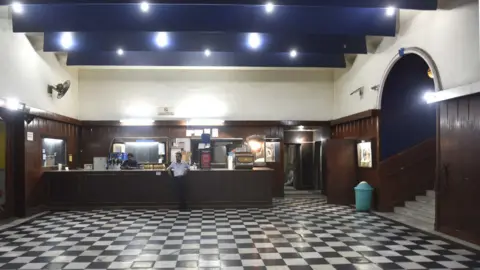
Simultaneously, experts say that even though traditional cinemas provide cheaper tickets, many urban standard moviegoers no longer select them because they fail to equal the amenities and amenities of contemporary theatres.
"It's a downward spiral," says an analyst. "Since attendance are low, theatre owners are unable to finance proper repairs. And because the cinemas aren't properly cared for, people decline to see movies there."
Throughout the city, only a few of older theatres still function. The others have either ceased operations or fallen into disrepair, their dated facilities and obsolete amenities a testament of a bygone period.
Reminiscence vs Reality
Certain visitors, however, recall single screens as more basic, more social venues.
"There would be numerous audience members crowded together," reminisces senior Renu Bhushan. "The crowd would cheer when the star came on the screen while concessionaires offered inexpensive food and drinks."
However this fond memory is not shared by everyone.
A different patron, comments after attending both older theatres and contemporary theatres over the past twenty years, he favors the modern option.


